
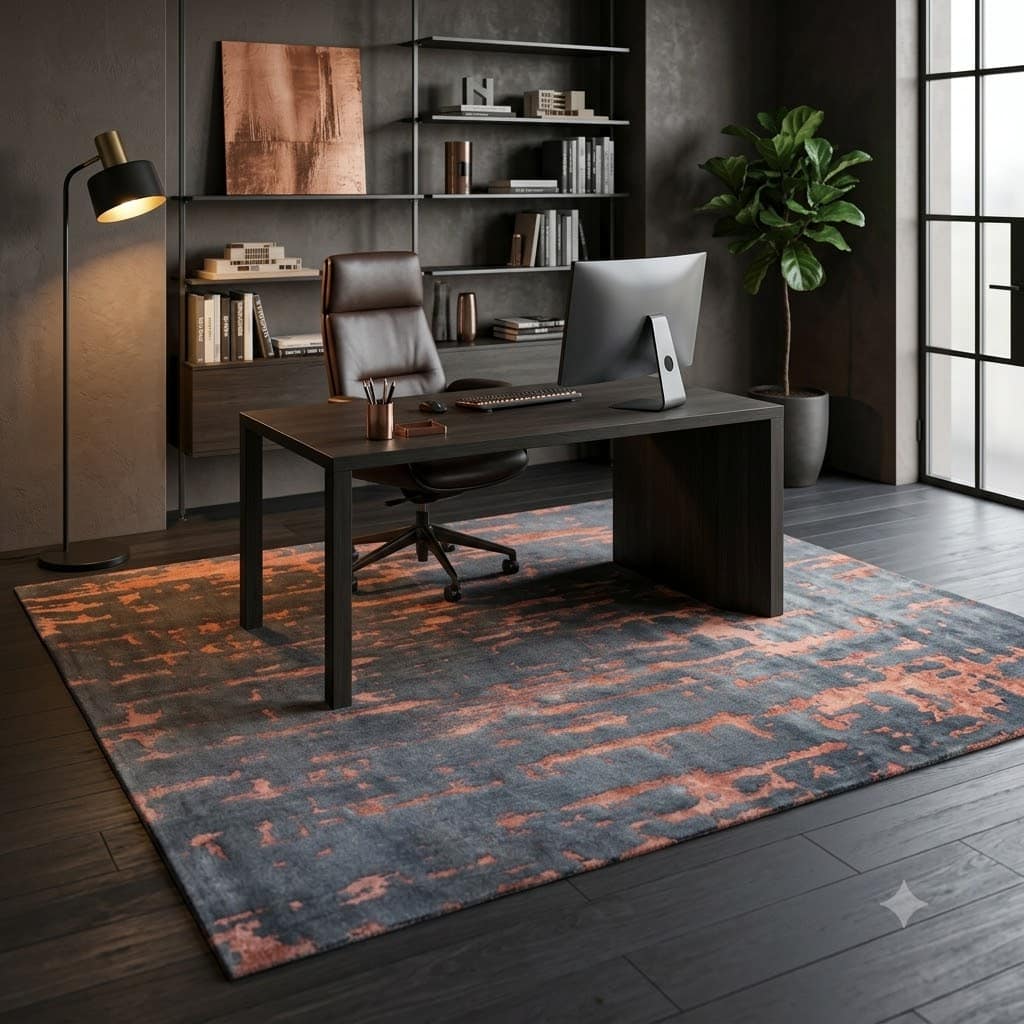
With natural materials and traditional production methods, handmade rugs are an eco-friendly and sustainable choice. The Value of Handwoven Carpets
In an age where environmental concerns are at the forefront of global discussions, making conscious and responsible choices has become essential. Consumers today are not only looking for beauty and functionality in the products they purchase, but also sustainability and environmental compatibility. In this context, handwoven carpets emerge as an exceptional choice—combining timeless artistry with eco-friendly values.
Handwoven carpets are deeply rooted in traditional craftsmanship, often produced using natural and renewable materials such as wool, cotton, and silk. Unlike mass-produced synthetic carpets that rely heavily on petroleum-based fibers and chemical processes, handmade rugs are created with minimal environmental impact. The use of natural dyes derived from plants, minerals, and insects further enhances their eco-friendly nature, reducing the release of harmful chemicals into the environment.
One of the key aspects that makes handwoven carpets a sustainable option is their longevity. While machine-made carpets often wear out within a few years and contribute to landfill waste, a high-quality handwoven carpet can last for decades—even generations. This long lifespan significantly reduces the need for frequent replacement, making it a more sustainable investment over time.
Additionally, the production process of handwoven carpets is inherently low in energy consumption. Unlike industrial manufacturing, which depends on large-scale machinery and high energy usage, handmade carpets are crafted by skilled artisans using traditional techniques. This not only lowers the carbon footprint but also supports local communities and preserves cultural heritage.
Another important factor is biodegradability. Since handwoven carpets are made from natural fibers, they can decompose naturally at the end of their life cycle without causing long-term environmental harm. In contrast, synthetic carpets can take hundreds of years to break down, contributing significantly to pollution and environmental degradation.
Choosing a handwoven carpet also reflects a shift towards mindful consumption. It encourages buyers to invest in fewer, higher-quality items rather than disposable goods. This approach aligns with sustainable living principles, promoting a balance between human needs and environmental preservation.
Moreover, handwoven carpets bring a sense of authenticity and warmth into living spaces. Their unique designs and organic textures create a natural ambiance that cannot be replicated by synthetic alternatives. This connection to nature enhances not only the aesthetic value of a home but also the well-being of those who live in it.
In conclusion, selecting a handwoven carpet is more than a design decision—it is a commitment to sustainability, environmental responsibility, and cultural appreciation. By choosing handmade over mass-produced, you are supporting eco-friendly practices, reducing your environmental footprint, and investing in a product that truly stands the test of time.

Persian Baluch Rugs
Baluch Rugs: Dark, Intimate Weavings of Eastern Iran Persian Baluch rugs are admired for deep colour, compact scale and powerful
